


Our motion graphics and creative projects Showreel! ↑

Project breakdowns
From Stage to Scroll: The Art of looping posters for Live Shows
Theatre is visceral. It’s immediate. It happens right in front of you. The digital scroll, however, is fleeting. For the Argentinian play "El presente de Eduardo", the challenge was to bridge that gap... View the Process

Visual process
Creating a high end look for a Melville Maven
This project for HD Beauty is a perfect example of how I approach branding: a deep, collaborative dive into the "why" before we ever hit the "how." For this local business in Melville, Saskatchewan, the goal was to create... View the Process

Wordpress Web Development
A Respectful Digital Welcome
For the Our Lady of Guadalupe Worship Community in Regina, Saskatchewan, the objective was to build a digital presence that felt modern. The community needed a clean, accessible platform... View the Process

Project breakdowns
From Stage to Scroll: The Art of looping posters for Live Shows
Theatre is visceral. It’s immediate. It happens right in front of you. The digital scroll, however...
View the Process

Visual process
Creating a high end look for a Melville Maven
This project for HD Beauty is a perfect example of how I approach branding....
View the Process

Wordpress Web Development
A Respectful Digital Welcome
For the Our Lady of Guadalupe Worship Community in Regina, Saskatchewan, the objective was...
View the Process
Next-Gen Social: High-Impact UGC via AI Integration
These sample videos showcase a simulated UGC (User Generated Content) style edit designed for maximum engagement in social media. We integrated generative AI assets (audio in the first sample and video in the second one) into our professional motion graphics workflow on these specific examples.

Contact Shining Pixels
Feel free to use this contact form to send us a message, we'll be glad to discuss potential projects, any questions regarding our experience or availability, or even just chat about the state of the market.


Portfolio breakdowns
From Stage to Scroll: The Art of looping posters for Live Shows
Translating theatrical existentialism into high-impact motion assets.
Written by Giselle Llamas | January 2026
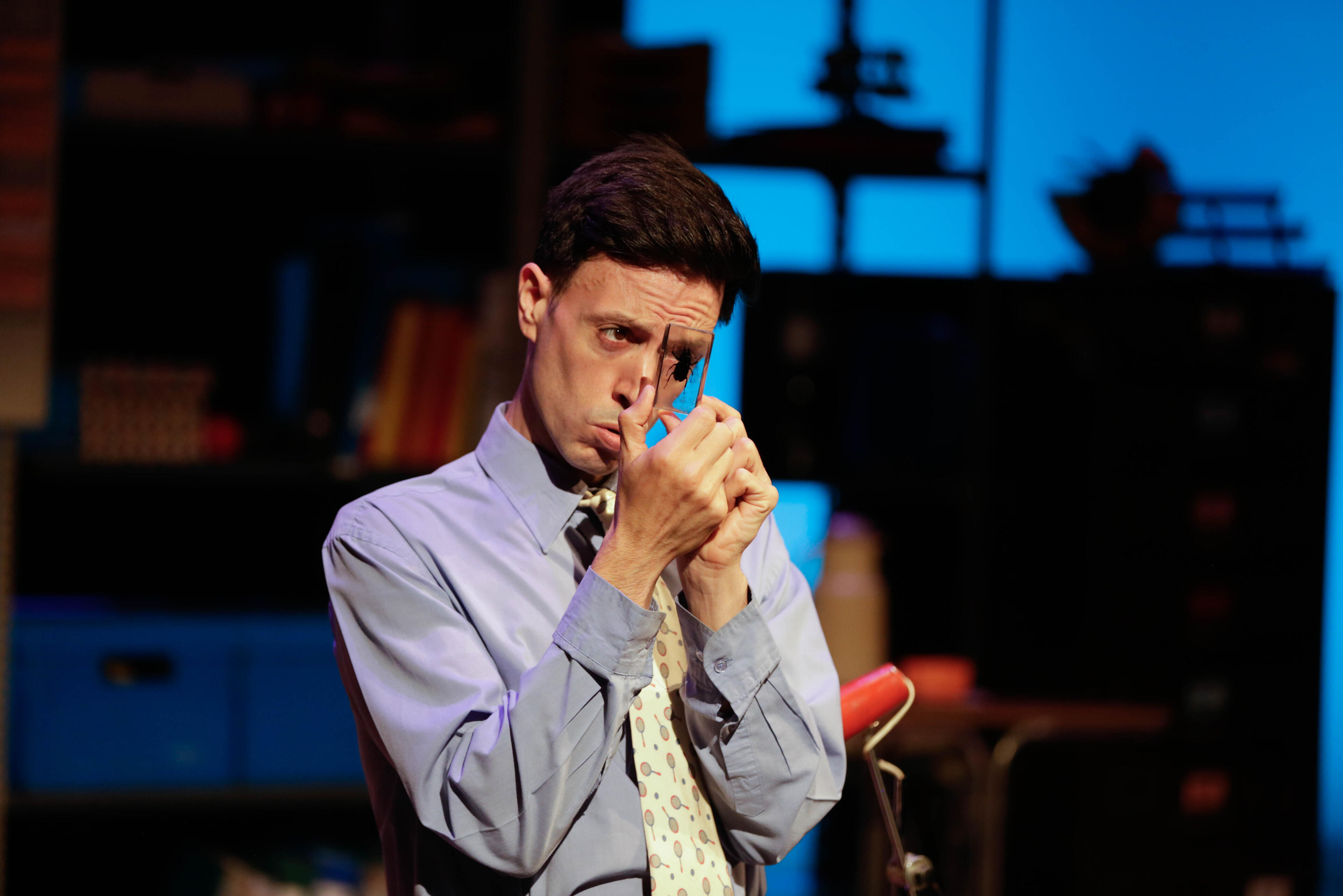
Project: El presente de Eduardo (Theatre Production, Argentina)
Role: Motion Designer (Concept, Illustration, Animation)
Tools: Adobe Illustrator, Adobe After Effects
Theatre is visceral. It’s immediate. It happens right in front of you. The digital scroll, however, is fleeting.
For the Argentinian play "El presente de Eduardo", the challenge was to bridge that gap. I was tasked with distilling the play's heavy, existential themes - specifically the restless, suffocating 'dream of change' and the feeling of being trapped in one's own life - into a series of high-impact social media assets.
Drawing on my fine arts foundation, I approached this not just as a motion graphics assignment, but as a conceptually charged project. I handled the entire visual pipeline: developing the visual metaphors, crafting the vector assets in Adobe Illustrator and finally, engineering the looping animation in After Effects.
The goal wasn't just movement; it was to create 'as close to perfect' loops that acted as visual traps, catching the viewer's eye and holding them in the same endless cycle the play’s protagonist experiences. You can see the results of those animations on my motion graphics showreel.
Here is a breakdown of the core conceptual pillars I explored and why they work in motion:
Concept 1: The Labyrinth Mind
This concept is perhaps the most direct translation of the play's central conflict: the feeling of being a prisoner in your own intellect.
Visually, it replaces the protagonist's head and torso with a rigid, architectural maze. Deep within the center sits a small dog—representing instinct, raw emotion, or the simple desire for freedom. The dog is alive, but the structure surrounding it is cold and unyielding.
Why it works in motion: The motion here is subtle but deeply unsettling. The rigid grid of the design contrasts sharply with the organic idea of the centered "dog self", creating immediate visual tension.

Concept 2: The Sisyphean Climb (The Plant)
Sometimes, the best way to convey existential dread is through absurdity. This concept utilizes a surrealist photo-collage approach, shrinking the protagonist down and placing him at the base of a massive, potted houseplant.
It’s a visual joke with a dark punchline. The plant is mundane, harmless. But to the tiny figure, it’s an insurmountable mountain.
Why it works in motion: This concept thrives on the contrast in scale and effort. The animation focuses on the struggle: the figure’s endless, arduous climb up the stalk.
Yet, because it’s a perfect loop, he never gets any higher. The static, uncaring nature of the giant plant highlights the futility of his exertion. It’s Sisyphus with a modern office touch.

Concept 3: The Domestic Paradox
This concept explores the tension between security and freedom, using a canine figure as a surrogate for the human condition. The dog is depicted in a fetal, protective curl: a shape that reflects the internal 'present' the protagonist inhabits... safe, but stagnant.
Visually, the details tell the story. The dog wears a collar adorned with dollar signs, a direct nod to the financial tethers that often keep us anchored to a life we outgrew long ago. In its paws, it holds a broken leash. The tool of its captivity has been severed, yet the animal remains curled in place, hesitant to move into the unknown.
Why it works in motion: The power of this animation lies in its subtle restraint. Instead of big, sweeping movements, I focused on subtle motion and the slight, nervous sway of the broken leash. These small details suggest a state of constant tension. It captures that precise moment of hesitation before a big change: where the door is open, but you aren't yet brave enough to walk through it.

Main takeaways from this project:
In the high-speed environment of social media, a visible jump-cut destroys the illusion. The motion had to be seamless. This required careful engineering in After Effects, managing keyframe easing and spatial interpolation to ensure the very last frame flowed invisibly back into the first.
The result is a series of hypnotic assets that trap the viewer's eye, forcing them to dwell, even for just a few seconds, in the unsettling present of Eduardo.


Visual process
Creating a high end look for a Melville Maven
Crafting the Visual Identity for HD Beauty
Written by Giselle Llamas | January 2026

This project for HD Beauty is a perfect example of how I approach branding: a deep, collaborative dive into the "why" before we ever hit the "how." For this local business in Melville, Saskatchewan, the goal was to create a visual identity for a custom eyelash and eyebrow specialist that felt as meticulous and bespoke as the services themselves.
HD Beauty is a cornerstone of the Melville beauty scene, specializing in high-end, custom lash and brow artistry. The brand needed to reflect two things: technical precision and organic elegance. It had to feel professional enough for a high-end salon, but personal enough to resonate with a local Saskatchewan community.
Branding isn't a "one and done" deal. My work with HD Beauty was a thorough, iterative partnership.
We started at the very beginning with raw pencil sketches. This allowed the client to choose the core structural direction: focusing on a crescent moon, a floral wreath, or an elegant hand as starting options (based on a first deep conversation of the customer, their aesthetic vibe and goals).


Once the "Hand & Moon" concept was selected, we moved into color theory. I tested everything from deep, mysterious purples to earthy greens and vibrant pinks, eventually landing on a palette that feels both celestial and sophisticated.

Even after the main design was set, we refined the finer details. We explored multiple iterations of the logo, some with branches, some without, varying their weight and placement to ensure the composition felt balanced and didn't overwhelm the central typography. We ended up going with a version without the branches and with stars, but it was an important iteration of the design.

A great logo has to work everywhere; from the size of a tiny social media profile up to being featured in a massive storefront sign. To ensure HD Beauty was prepared for any medium, I provided them with a complete package of final versions:
The Signature Palette: The vibrant, multi-tonal version for web and digital use.
Contrast Matters: High-contrast black-on-white and white-on-black versions, ensuring the brand remains legible even in monochromatic printing or on dark backgrounds.

This project reinforces my belief that the most successful brand identities are born from a balance of technical rigor, artistic intuition, and a deep respect for the client's local community.


Web Design & development using Wordpress
Web Development project for Our Lady of Guadalupe
A Respectful Digital Welcome
Written by Giselle Llamas | December 2025

For the Our Lady of Guadalupe Worship Community in Regina, Saskatchewan, the objective was to build a digital presence that felt modern. The community needed a clean, accessible platform that could facilitate outreach while maintaining the serene and welcoming atmosphere of their spiritual home.
The Design: Custom Illustration & UI
The project began with a rigorous design phase in Penpot, where I focused on a clean layout that prioritized readability and ease of navigation.

Rather than relying on stock imagery, I created a series of custom illustrations for the entire website based on a blend of the missal illustration used in their masses and an inspiration from classic vitraux imaginery.
This ensures the visual identity is unique to this Saskatchewan community, blending traditional themes with a contemporary, handcrafted aesthetic that reinforces the project’s tone.
The Build: Professional WordPress Pipeline
To ensure a robust and secure final product, I utilized a professional development workflow:
Local-First Development: The site was built and tested using LOCAL on macOS, allowing for a fast, secure environment to refine custom code before deployment.
Secure Integration: To protect community outreach, I integrated Google ReCAPTCHA for form security, ensuring a seamless and safe user experience.
Here's a video of the live website, that can be found in this link:

